







Indonesia Sets Its Sights on Hosting the 2028 FIFA Futsal World Cup
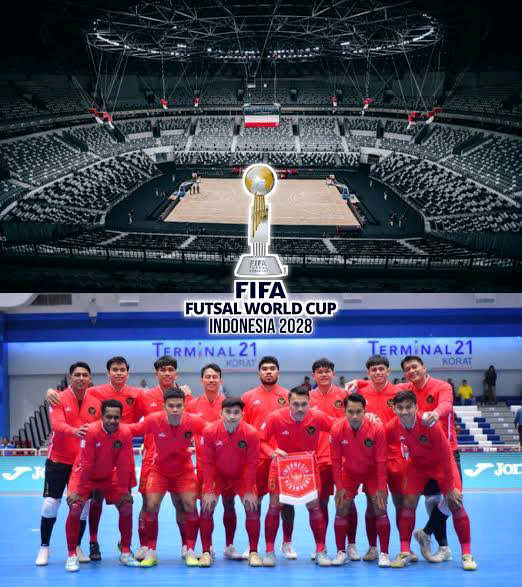
Indonesia is making a bold statement on the global sports stage as it signals strong interest in hosting the 2028 FIFA Futsal World Cup. The move reflects the country’s growing ambition to become a major hub for international football and futsal, building on recent progress in sports infrastructure, fan engagement, and regional influence.
Futsal has experienced rapid growth in Indonesia over the past decade. From packed indoor arenas to vibrant grassroots competitions, the fast-paced version of football has captured the imagination of young players and fans alike. A bid for the 2028 tournament would not only recognize this momentum but also position Indonesia as a leader in futsal development across Southeast Asia.
Hosting the FIFA Futsal World Cup is about more than prestige. For Indonesia, it represents an opportunity to accelerate sports development, boost tourism, and showcase its organizational capacity on a global scale. The tournament would attract teams, officials, media, and supporters from around the world, creating economic activity while placing Indonesian cities in the international spotlight.
Indonesia’s confidence is rooted in experience. The country has previously staged major sporting events, including continental football tournaments and multi-sport competitions, demonstrating its ability to handle large crowds and complex logistics. Recent investments in modern indoor arenas and transport infrastructure further strengthen its case, aligning with FIFA’s standards for hosting elite futsal competitions.
Beyond infrastructure, Indonesia’s passionate fan culture could be a defining asset. Futsal thrives on atmosphere—close quarters, nonstop action, and roaring crowds. Indonesian supporters are known for their energy and creativity, qualities that could turn the 2028 World Cup into one of the most memorable editions in the tournament’s history.
A successful bid could also have long-term benefits for player development. Increased visibility would inspire grassroots participation, encourage private and public investment, and raise the competitive level of domestic futsal leagues. For young Indonesian athletes, the chance to witness world-class futsal on home soil could be a powerful catalyst for future success.
As FIFA’s selection process unfolds, Indonesia’s expression of interest sends a clear message: the nation is ready to step forward, not just as a participant in global futsal, but as a host capable of delivering a world-class sporting spectacle. If awarded the 2028 FIFA Futsal World Cup, Indonesia could mark a historic milestone—one that reshapes the future of futsal in the region and leaves a lasting legacy on the global game.